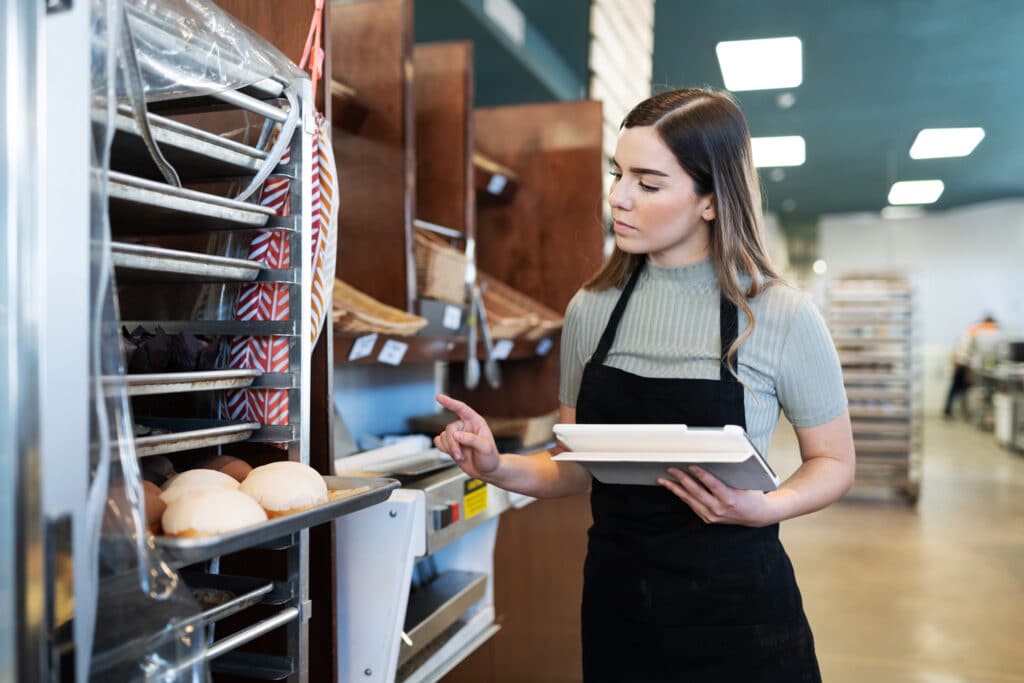
Closing the kitchen the right way is just as important as opening it. A clear, consistent kitchen closing checklist helps teams stay accountable, protects food safety standards, and sets the next shift up for a smooth start. When done well, it saves time, reduces mistakes, and keeps operations running efficiently.
A kitchen closing checklist ensures cleanliness, food safety, and operational consistency.
Clear ownership and accountability help reduce missed tasks.
Well-organized checklists can significantly speed up closing time.
Digital or visible checklists make execution easier for every shift.
Restaurant shifts can get hectic, making it easy for items on a long list of closing tasks to get missed. However, these tasks play a critical role in keeping the kitchen clean, sanitized, and compliant, while also preparing the restaurant for a successful opening the next day. Creating a thorough kitchen closing checklist helps ensure all required procedures are completed consistently, regardless of who is working the shift.
A kitchen closing checklist helps reduce forgotten tasks and increases employee accountability by clearly outlining expectations. When organized properly, it also streamlines closing procedures, helping teams close faster and more efficiently while maintaining cleanliness and food safety standards.
Looking to simplify day-to-day restaurant operations? Download our free guide, A Day in the Life of a Restaurant Operator, for actionable insights that help you run smoother shifts from open to close.
In many restaurants, the general manager is ultimately responsible for ensuring all closing procedures are completed. However, with so many moving parts, this can quickly become overwhelming. To make the process more manageable, many operations divide closing responsibilities between front-of-house managers, back-of-house managers, or shift supervisors to ensure nothing is overlooked.
The manager on duty should review closing assignments during the pre-shift meeting so each employee understands their responsibilities for that shift. As tasks are completed, they should be checked off or initialed for accountability. If you’re using a paper checklist, place it in a highly visible, easy-to-access location in the kitchen. Laminating the checklist and using a dry-erase marker ensures a fresh checklist is available for every shift.
Every restaurant is different, so kitchen closing checklists should be tailored to your specific operation. The list below outlines common closing tasks to help get you started. Be sure to customize based on your menu, equipment, and workflow, prioritize tasks by importance, and organize them in an order that supports efficiency.
Consolidate containers of the same foods
Date and label all food that hasn’t been dated or labeled
Rotate inventory in fridge (first in, first out)
Restock all line stations
Take stock of inventory and prepare or adjust any orders
Prepare prep list for the morning staff
Check the temperature of freezers and fridges
Check that the walk-in and any other fridges or freezers are properly shut and locked
Empty the dishwasher
Wash, disinfect, and put away all cooking utensils, smallwares, glassware, cutting boards, pans, etc.
Wash rags, towels, aprons, and uniforms or prepare them for pickup service
Wipe spills from backsplashes and walls
Empty and disinfect all trash cans and recycling bins
Clean and disinfect employee restrooms, if applicable
Turn off equipment and appliances
Clean and sanitize all prep areas, line stations, ranges, grills, and flattops
Make sure dry storage areas are clean and organized
Remove and clean non-slip mats or prepare them for pickup service
Sweep and mop floors and replace mats
Activate the alarm system and lock all doors
Blog Menu
The way a restaurant closes at night directly impacts how the next day begins. A well-organized kitchen closing checklist ensures the team walks into a clean, prepared workspace instead of dealing with leftover issues from the previous shift. Consistently following a clear closing checklist helps kitchens operate more smoothly, efficiently, and safely day after day.
Want more consistency across every shift? Schedule a free demo of R365 and see how our restaurant management platform helps teams stay organized, accountable, and prepared.
Share this blog:
See why more than 50,000 restaurants use Restaurant365
Restaurant365 brings together accounting, operations, scheduling, and more in a flexible platform—empowering restaurants to choose the solutions they need and scale with confidence.