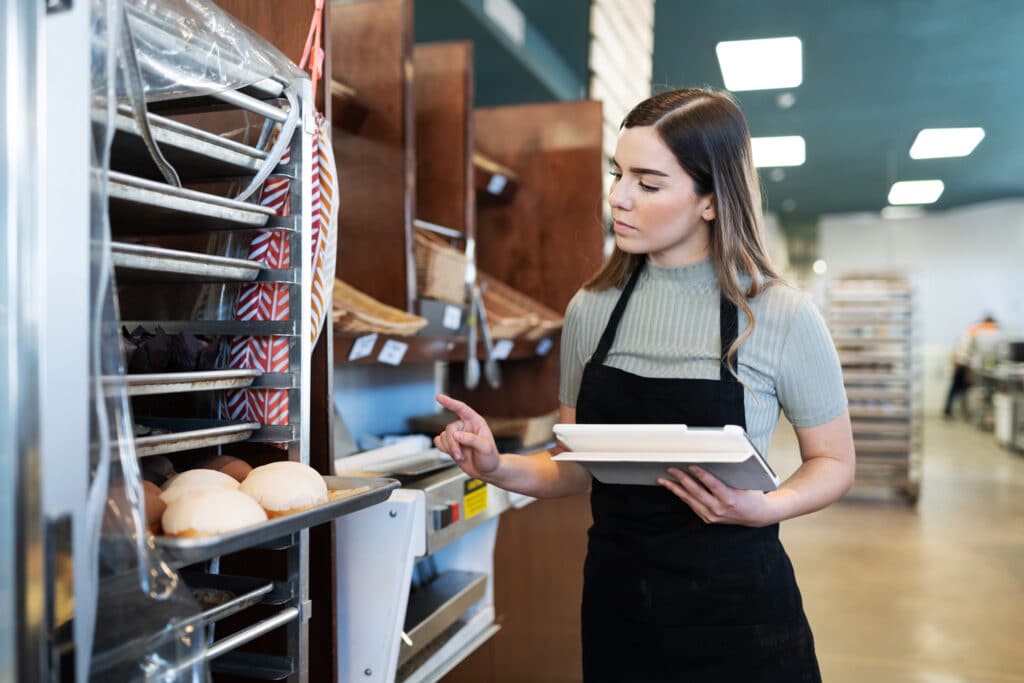
In a restaurant business, the “front of house” refers to the part of the restaurant where customers are received, seated, and served their food and drinks. This can include the dining area, host stand, bar area, and any other spaces where your guests interact with your restaurant staff.
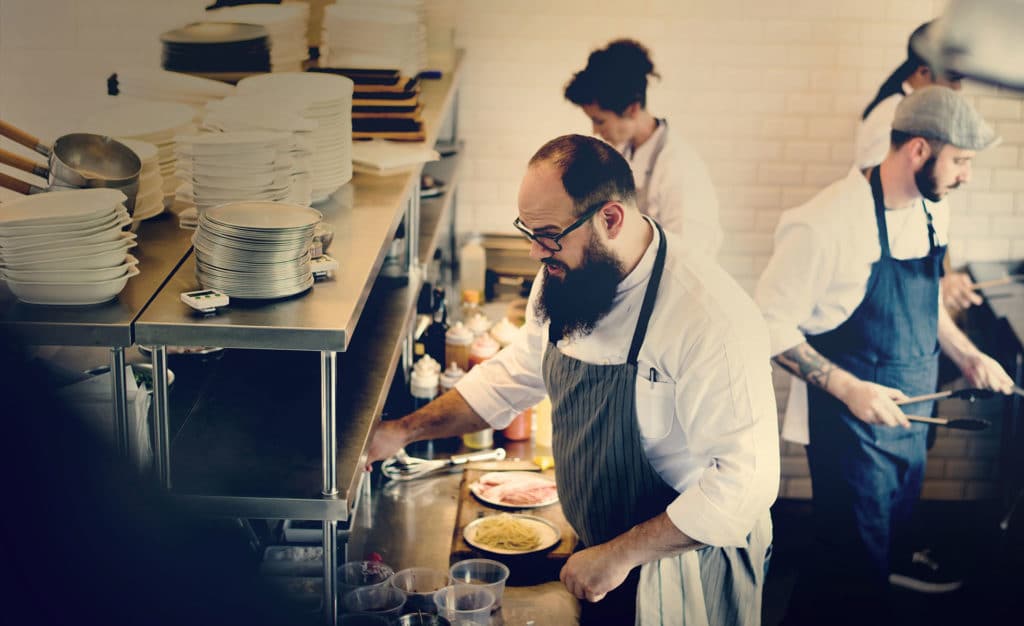
The FOH is essentially the customer-facing side of the restaurant, as opposed to the “back of house,” which includes the behind the scenes parts of a restaurant like the kitchen, dishwashing area, back office, and more.
Running a successful restaurant means mastering two worlds simultaneously: the one your guests see and the one they don’t.
Your FOH team shapes every interaction a guest has, from the moment they walk in to the moment they leave.
This guide breaks down what the front of house is, who’s part of it, and why getting it right matters for your restaurant’s bottom line.
The “front of house” in a restaurant encompasses all the areas where customers interact with restaurant staff and where dining service takes place.
Front of house staff in a restaurant typically includes employees who directly interact with customers and manage the dining experience.
The front of house (FOH) significantly influences restaurant profitability in a variety of ways including…
Optimizing your front of house operations is key to maximizing the profitability of your restaurant. It directly influences customer satisfaction, sales volume, and cost management, all of which are critical factors in driving revenue and profits.
While every FOH role contributes to the guest experience, each position carries distinct day-to-day responsibilities. Here’s a closer look at what the core roles actually do:
A restaurant only runs well when the front and back of house are aligned. Despite their different environments, FOH and BOH teams are deeply interdependent, and communication breakdowns between them are one of the most common sources of service failures.
Servers relay special requests, dietary restrictions, and order modifications to the kitchen. Managers communicate pacing needs when the dining room fills up. Runners bridge the physical gap between the pass and the table. The smoother this collaboration, the better the guest experience and the more efficiently the restaurant operates.
Many restaurants invest in technology like kitchen display systems, POS integrations, and floor management software to improve FOH-BOH coordination and reduce miscommunication during high-volume service.
Even well-run front of house operations face recurring challenges. Here are some of the most common, along with practical approaches:
The front of house refers to the customer-facing part of a restaurant where guests are received, seated, and served, including the dining area, host stand, bar area, and any spaces where guests interact with restaurant staff.
Front of house is the customer-facing side of the restaurant where guests dine and interact with staff, while back of house includes behind-the-scenes areas like the kitchen, dishwashing area, and back office.
Front of house areas include the reception or host stand, dining areas, bar areas, waiting area, service stations, point of sale (POS) stations, and restrooms.
Front of house staff includes restaurant managers, servers and waitstaff, bartenders, barbacks, hosts and hostesses, bussers, food runners, sommeliers, cashiers, bathroom attendants, and valet.
Yes, bartenders are part of the front of house team as they directly interact with customers and manage the beverage service experience.
The front of house influences profitability through upselling and cross-selling, table turnover time, guest experience, brand reputation, customer retention, and beverage sales.
Optimizing front of house operations is key to maximizing restaurant profitability as it directly influences customer satisfaction, sales volume, and cost management, all critical factors in driving revenue and profits.
Blog Menu
Your front of house is more than a dining room. It’s the face of your brand, and every shift is an opportunity to turn first-time visitors into loyal regulars. By investing in the right people, clearly defining roles, and building strong communication between FOH and BOH, you set your restaurant up to deliver consistent experiences that keep guests coming back.
Ready to see how R365 can help you take control of your FOH? Schedule a free demo.
Share this blog:
See why more than 50,000 restaurants use Restaurant365
Restaurant365 brings together accounting, operations, scheduling, and more in a flexible platform—empowering restaurants to choose the solutions they need and scale with confidence.