The hospitality industry operates in a dynamic environment, where managing finances effectively is crucial to success. Accounting software tailored for this sector can streamline operations, provide insightful data, and ensure compliance with regulations. But with countless options on the market, choosing the best one can be daunting. This guide delves into the top accounting software options for the hospitality industry, exploring their features, benefits, and drawbacks to help you make an informed decision.
Selecting the right accounting software depends on your business size, specific needs, and budget. Hospitality-focused platforms often include features such as payroll management, inventory tracking, expense monitoring, and integration with property management systems (PMS). Here, we review five leading options: Restaurant365, Sage Intacct, Intuit QuickBooks, Xero, and Cloudbeds.

Restaurant365 is a cloud-based accounting solution explicitly designed for the food and beverage sector. It combines robust accounting features with restaurant management tools, creating a one-stop solution for streamlining operations.
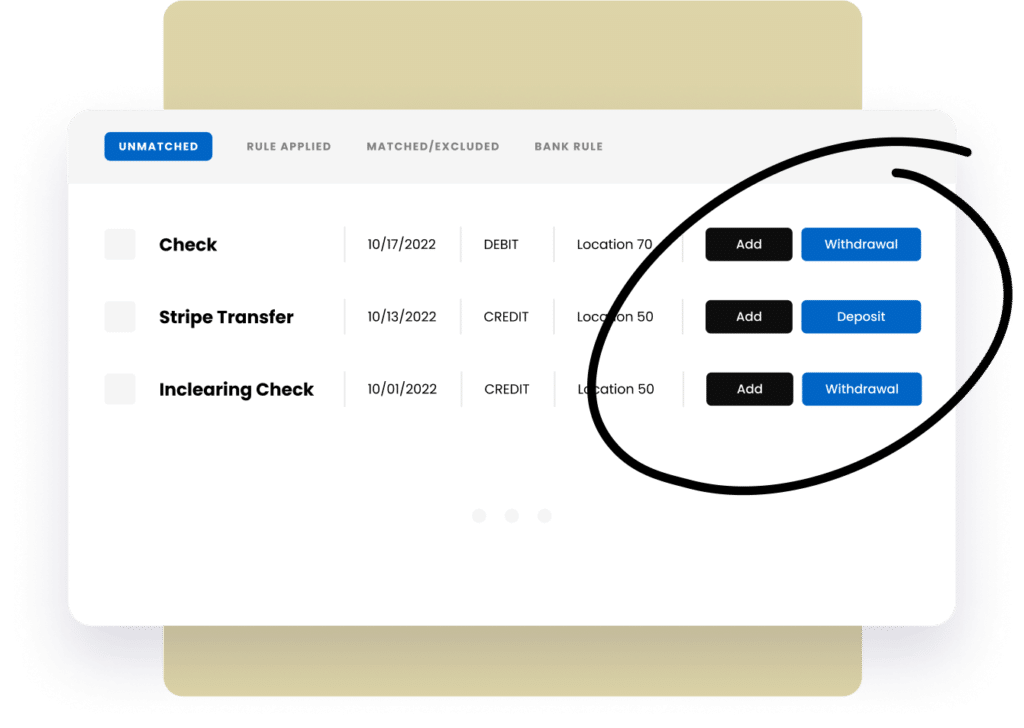
Restaurant365 offers a range of plans and packages that vary in price based on certain offerings. Learn more about pricing here or compare our plans to see what works best for your business.
Sage Intacct is a powerful, cloud-based accounting solution designed for midsize to large organizations. Known for its advanced financial management capabilities, it’s a favorite among hospitality businesses seeking precision and control.
Pricing begins at approximately $400 per month, depending on the modules and user licenses selected.
Xero is a cloud-based accounting platform popular for its simplicity and flexibility. It’s a preferred choice for small to medium-sized businesses in the hospitality sector.
Plans begin at $13 per month for basic services, with premium options available.
QuickBooks is a household name in accounting software, known for its user-friendly interface and affordability. It’s widely used by small to medium-sized hospitality businesses.
Pricing starts at $30 per month for basic plans, with higher-tier options for additional features, and more advanced plans costing up to $180 per month.
Cloudbeds is a management software that integrates accounting, reservation, and operational tools, catering specifically to the hotel and lodging industry.
Pricing starts at $150 per month, with costs varying based on the size and needs of the property.
Xero is a cloud-based accounting software that caters primarily to small businesses and startups, offering a range of tools for managing financial operations.
The pricing starts at $13 per month for the basic plan, with premium plans costing up to $70 per month.
Case Study
Maru Hospitality Group Sees $1.2 Million Difference in Food Cost Savings and Increased Sales with Restaurant365
For hotel restaurant owners, Restaurant365 is easily the top choice due to its industry-specific features. Its integration with POS systems, recipe costing, and inventory management tools make it a comprehensive solution for managing a hotel bar or hotel restaurant’s financial and operational needs.

In the hospitality industry, the Uniform System of Accounts for the Lodging Industry (USALI) is widely recognized. This standardized framework ensures consistency in financial reporting, making it easier to compare performance across businesses and adhere to industry best practices.
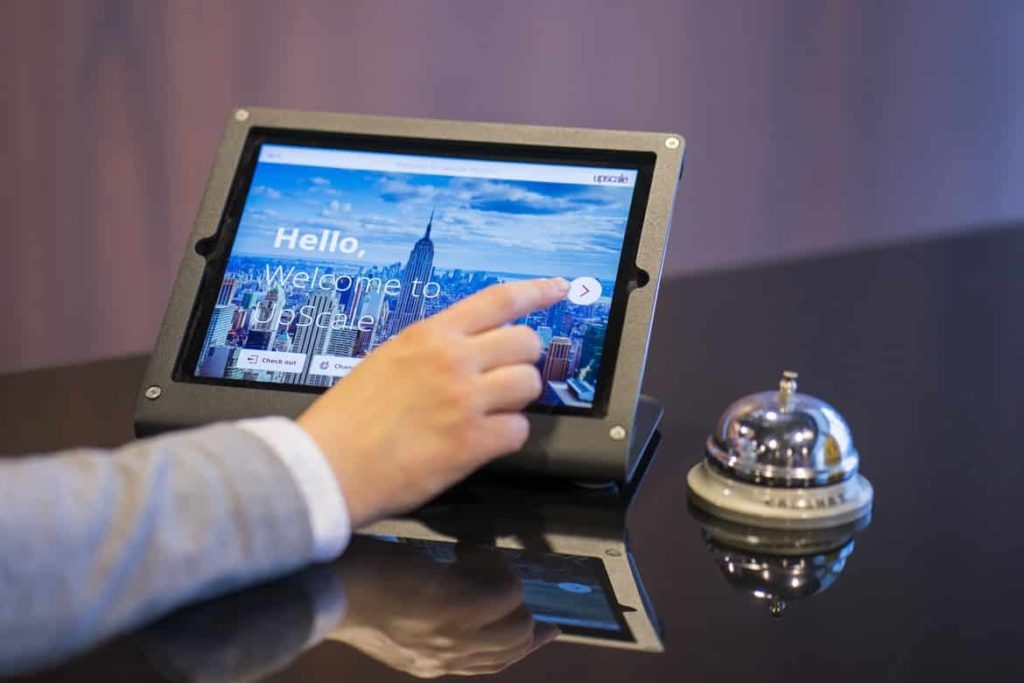
Hotels commonly use software like Cloudbeds, Sage Intacct, and specialized property management systems (PMS) with integrated accounting features. These solutions address unique needs such as room revenue tracking, occupancy analysis, and dynamic pricing.

The most widely used software varies depending on business size and segment. QuickBooks and Xero dominate among small to medium-sized businesses, while larger enterprises lean toward Sage Intacct or industry-specific solutions like Cloudbeds and Restaurant365.
Prioritize POS integration, inventory and recipe costing if you serve food, multi-location consolidated reporting, and vendor or EDI connections that automate invoice entry. Generic accounting platforms cover the general ledger well but leave the operational side to other systems.
The Uniform System of Accounts for the Lodging Industry, or USALI, is the widely recognized framework. It standardizes how lodging businesses report financials, which makes performance comparable across properties and across the industry.
Hotels commonly run Cloudbeds, Sage Intacct, or a property management system with built-in accounting, since those handle room revenue, occupancy analysis, and dynamic pricing. Hotels with significant food and beverage revenue often pair a PMS with a restaurant-specific platform for the F&B side.
It varies by size and segment. QuickBooks and Xero are common among small and midsize operators, while larger enterprises use Sage Intacct or industry-specific platforms such as Cloudbeds for lodging and Restaurant365 for food and beverage.
It can handle basic bookkeeping for a single location. It has no native inventory costing, recipe management, or labor tools built for restaurants, so operators generally add separate systems and reconcile between them. That workload grows quickly once you add locations.
Restaurant365 fits hotel F&B operations well because it handles recipe costing, inventory, and POS integration that lodging-focused platforms do not cover. Many hotel groups run it alongside their PMS so the restaurant side gets restaurant-grade cost control.
Blog Menu
See why more than 50,000 restaurants use Restaurant365
Choosing the best accounting software for the hospitality industry hinges on your business’s size, complexity, and budget. Restaurant365 excels for food-focused businesses, while Cloudbeds is a go-to for hotels. Sage Intacct offers advanced features for larger organizations, and QuickBooks and Xero provide accessible options for smaller players. By aligning software capabilities with your specific needs, you can optimize financial management and drive operational success in the competitive hospitality landscape.
Share this blog:

Restaurant365 brings together accounting, operations, scheduling, and more in a flexible platform—empowering restaurants to choose the solutions they need and scale with confidence.