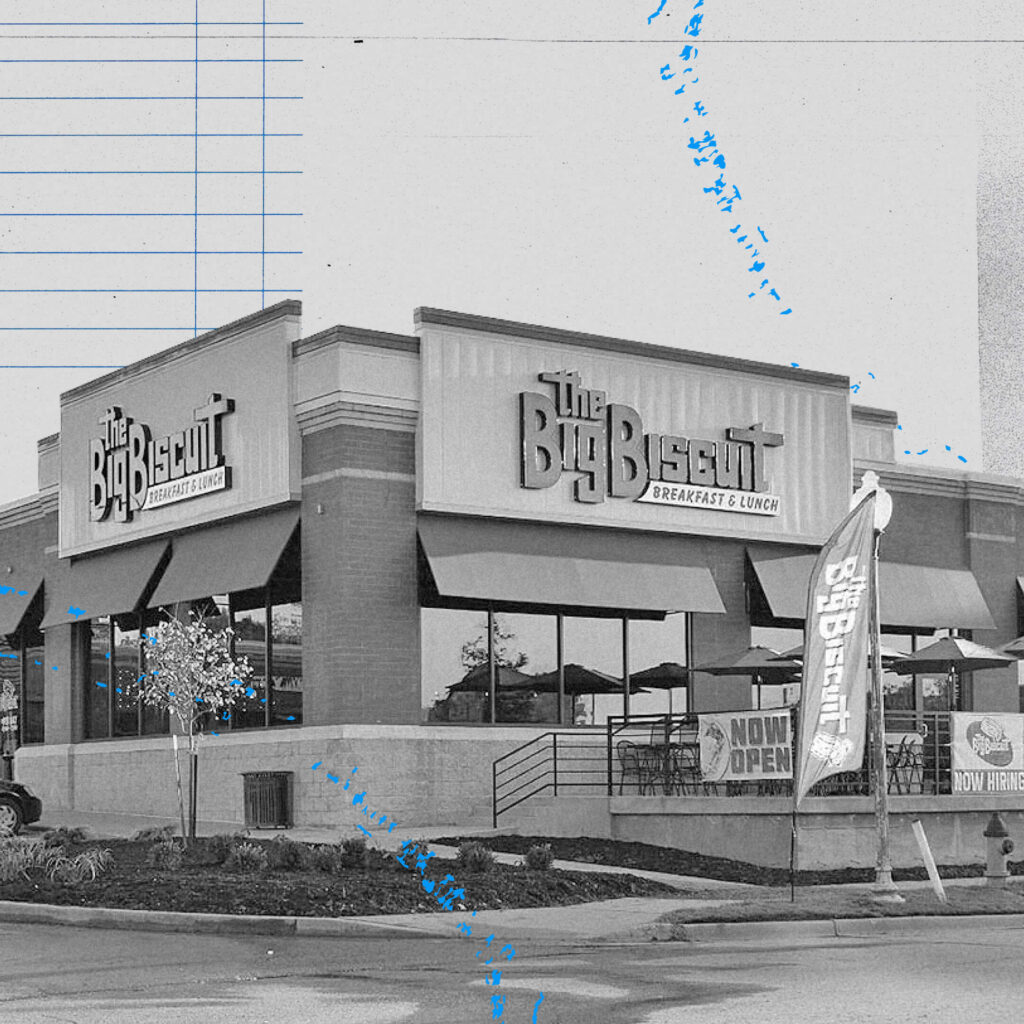
Restaurant SEO is one of the most cost-effective ways to drive new guests through your door. When your restaurant shows up at the top of local search results, you are reaching people who are actively looking for somewhere to eat right now, and that kind of intent is hard to beat with any other marketing channel.
Restaurant SEO, or search engine optimization for restaurants, is the process of improving your restaurant’s visibility in search engine results pages so that more potential guests find you when they search for food, dining options, or specific cuisines in your area.
Unlike paid advertising, which stops working the moment you stop paying for it, SEO builds long-term visibility that compounds over time. A well-optimized restaurant website and Google Business Profile can drive consistent organic traffic and new guest discovery for months and years without ongoing ad spend.
For most restaurants, SEO breaks down into a few core areas: local SEO, which focuses on showing up in location-based searches, on-page SEO, which covers your website content and structure, and off-page SEO, which includes reviews, citations, and links from other websites.
Turn a well-run operation into stronger search rankings and more guests finding you online.
See how Restaurant365 helps.
More than 90% of consumers use the internet to find local businesses, and food is one of the most searched categories. When someone searches “Italian restaurant near me” or “best brunch in ,” the restaurants that appear at the top of those results capture a disproportionate share of the clicks, the reservations, and the walk-in traffic.
SEO matters for restaurants because it puts your business in front of guests at the exact moment they are ready to make a decision. A guest searching for dinner options at 6pm on a Friday is not browsing casually. They are ready to choose, and showing up prominently in those results can be the difference between a full table and an empty one.
A strong online presence also reinforces your brand beyond search. Reviews, photos, and accurate information all contribute to the first impression a potential guest has of your restaurant before they ever walk through the door. Getting SEO right means that first impression is working for you rather than against you.
Want to build a stronger online presence for your restaurant from the ground up? Download the Online Marketing Tips for Promoting Your Restaurant Business guide to get practical strategies for attracting new guests, building loyalty, and driving more sales through your digital channels.
For most restaurants, local SEO is where the biggest return on effort lives. Local SEO is the practice of optimizing your presence in location-based search results, including Google Maps, the local pack that appears above organic results, and directory listings like Yelp and TripAdvisor.
Your website is the hub of your online presence and a critical SEO asset. A well-optimized restaurant website helps search engines understand what you serve, where you are located, and why guests should choose you.
Use location-specific page titles and meta descriptions. Every page on your website should have a unique title tag and meta description that includes your restaurant name, cuisine type, and location. These are the first things a potential guest sees in search results, so they need to be clear, compelling, and accurate.
Create a dedicated location page for each restaurant. If you operate multiple locations, each one should have its own dedicated page with unique content, the specific address, phone number, hours, and a Google Maps embed. Do not use the same content across location pages, as duplicate content can hurt your rankings.
Make your menu accessible and indexable. Many restaurants upload their menu as a PDF, which search engines cannot read. A text-based menu on your website, organized by category with descriptive item names and ingredients, helps search engines understand what you serve and can improve visibility for searches like “restaurants with vegetarian options near me.”
Optimize for mobile. Google primarily uses mobile versions of websites for indexing and ranking. A slow, hard-to-navigate mobile site is one of the fastest ways to lose both search rankings and potential guests. Your website should load quickly, display correctly on a phone, and make it easy to find your hours, location, and reservation link within a few seconds.
Add schema markup. Schema markup is a type of code that helps search engines understand the specific details of your restaurant, including your cuisine type, price range, hours, and reservation options. Restaurant schema can improve how your listing appears in search results and increase click-through rates.
Content is one of the most sustainable ways to build restaurant SEO over time. When your website publishes useful, relevant content that answers the questions potential guests are actually asking, you build authority in search results and attract visitors who are actively interested in what you offer.
For restaurants, content marketing does not need to be complicated. A blog with posts about your local sourcing story, seasonal menu changes, the history behind your signature dishes, or guides to dining in your neighborhood can all drive meaningful organic traffic. The key is writing content that is genuinely useful and reflects real search intent rather than content created purely for the sake of publishing.
Social media also plays a supporting role in SEO. While social posts do not directly affect search rankings, they drive traffic to your website, generate engagement and sharing, and contribute to the overall online footprint that signals credibility to search engines.
Off-page SEO refers to the signals that come from outside your own website and tell search engines that your restaurant is credible and worth ranking. For restaurants, this primarily comes from three sources: reviews, citations, and links.
Most restaurant SEO problems come from neglect rather than active missteps. Here are the most common ones to watch for.
This is the connection that most restaurant SEO guides miss. The best SEO strategy in the world cannot compensate for a bad guest experience. Reviews drive local search rankings, and reviews reflect what actually happens in your restaurant.
When food quality is consistent, service is attentive, and every visit delivers on the brand promise, guests leave happy. Happy guests leave positive reviews. Positive reviews drive search visibility. And search visibility brings in more guests for the cycle to continue.
That is why investing in operational excellence is not separate from your marketing strategy. It is the foundation of it. When your kitchen is running efficiently, your labor is managed to support great service, and your financial reporting gives you the visibility to make smart decisions about where to invest, you build the kind of operation that generates the guest experiences SEO depends on.
Turn a well-run operation into better reviews and stronger search visibility.
See how Restaurant365 helps.
Restaurant SEO is the process of optimizing your restaurant’s online presence so it appears prominently in search engine results when potential guests search for dining options nearby. It includes local SEO, on-page website optimization, review management, and content marketing.
Local SEO focuses on improving visibility in location-based search results, including Google Maps and the local pack that appears at the top of search results for nearby queries. For restaurants, local SEO is typically the highest-impact area because the majority of food-related searches include a location component.
Start by claiming and fully optimizing your Google Business Profile with accurate hours, photos, a menu link, and a compelling description. Actively earn and respond to reviews. Keep your name, address, and phone number consistent across all online listings. And make sure your website loads quickly and is easy to navigate on a phone.
Reviews are one of the most significant ranking factors in local search. Restaurants with a high volume of recent, positive reviews consistently outrank those with fewer or older reviews. Responding to reviews also signals to Google that your business is active and engaged, which supports rankings.
SEO is a long-term investment. Most restaurants start seeing meaningful improvement in local rankings within three to six months of consistent effort on their Google Business Profile, website, and review management. Competitive markets may take longer, but the results compound over time in a way that paid advertising does not.
Social media does not directly affect search rankings, but it supports SEO indirectly by driving traffic to your website, increasing brand visibility, and generating the kind of engagement and sharing that builds your overall online presence. A strong social media presence also makes it easier for guests to find and share your restaurant, which can lead to more links and citations.
Your Google Business Profile is the single most important SEO asset a restaurant has. It is free, it directly affects your local search rankings, and it is what most potential guests see first when they search for a restaurant like yours.
Blog Menu
Read More:
See why more than 50,000 restaurants use Restaurant365
Restaurant SEO is not a one-time project. It is an ongoing investment in your online visibility that pays dividends in new guest discovery, more reservations, and a stronger brand presence in your local market.
The fundamentals are straightforward: claim and optimize your Google Business Profile, keep your business information consistent, earn and respond to reviews, and make sure your website works well on mobile. Get those right and you have a foundation that most of your competitors have not built.
And remember, the best SEO strategy is a great operation. When your food is consistent, your team is well-trained, and your guests leave happy, the reviews and word of mouth that drive search visibility take care of themselves. Restaurant365 helps operators build that foundation, connecting accounting, inventory, workforce management, and reporting so every part of the business runs the way it should.
Improve your online visibility and build the operational foundation to back it up. Get a free demo to see how Restaurant365 can help.
Share this blog:
See why more than 50,000 restaurants use Restaurant365
Restaurant365 brings together accounting, operations, scheduling, and more in a flexible platform—empowering restaurants to choose the solutions they need and scale with confidence.