With more 69,000 bars in the U.S., bar operators need every advantage they can get. One way to unlock profit potential? Efficient bar inventory management.
But bar inventory management isn’t limited to just counting bottles. Instead, it’s about smart ordering, reducing waste, and understanding exactly what’s selling (and what’s not). It’s a strategic approach to optimizing stock levels and minimizing losses from spillage, over-pouring, and even theft.
In this guide, we’ll break down the essential tips to retake control of your inventory and, ultimately, increase your profitability.
Ready to ditch the guesswork and become one of those bars that always seem to have the perfect amount of everything in stock? Here’s your roadmap to managing your bar inventory better:
How often you take bar inventory depends on the size of your bar, how busy it is, and how tightly you want to control costs. Here are some common approaches:

Your liquor collection isn’t just a row of bottles; it’s one of your most valuable assets. But did you know that the average bar loses at least 20% of its liquor inventory, with most of that loss occurring at retail value?
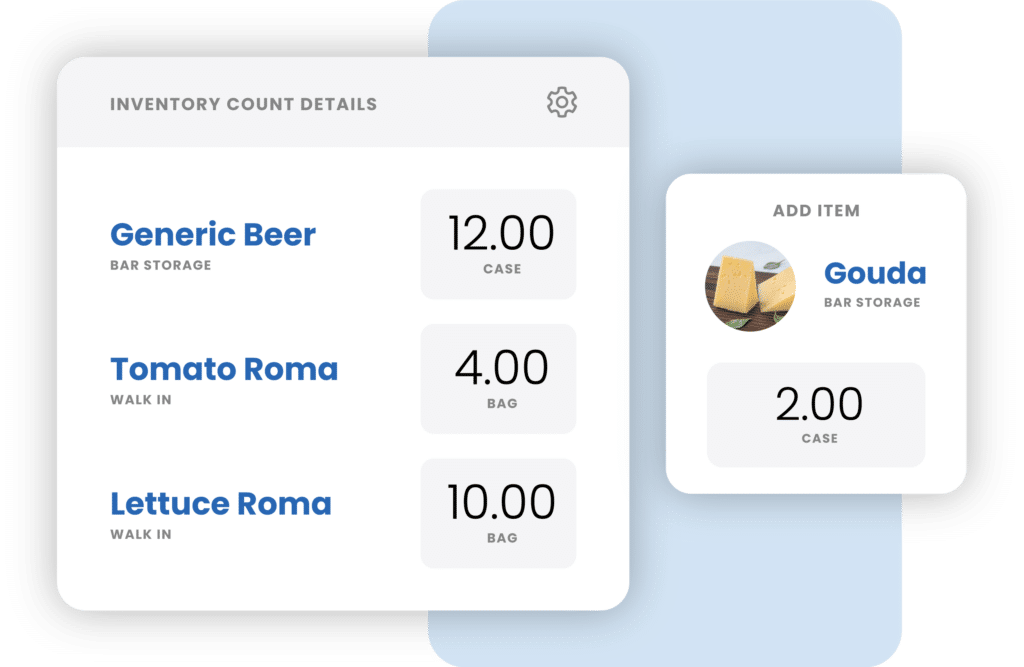
If you’re still tracking inventory manually on a physical spreadsheet, you know the frustrations: tedious counting, human error, and those dreaded stockouts.
The best bar inventory management systems eliminate those challenges entirely—automating counts, tracking pours in real time, and giving you total control over your costs.
Bar inventory management software rescues you from these headaches. Here’s what technology brings to the table:
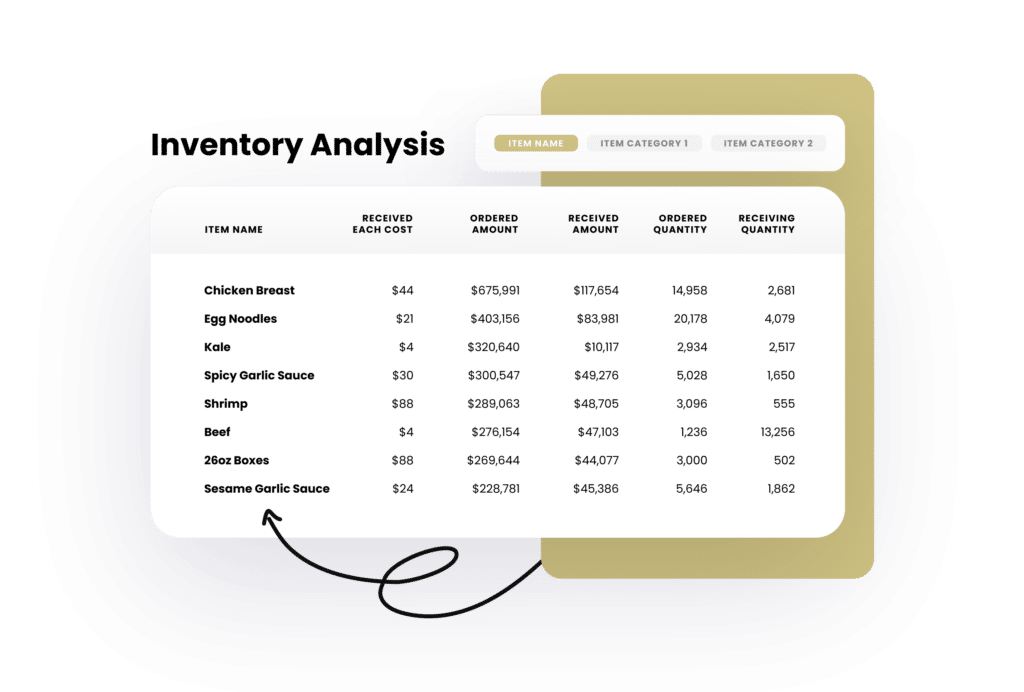
Bar programs often carry some of the highest markups—and the highest potential for hidden loss. Without visibility into real-time usage and costs, operators can’t spot issues like over-pouring, theft, or miscounts until profits slip away.
A connected beverage inventory system delivers the clarity needed to keep costs in check and revenue flowing.
A beverage inventory system helps operators control pour costs, prevent over-pouring, and maintain consistent profitability.
It eliminates the gaps of manual counting, disconnected spreadsheets, and delayed variance reporting. Restaurant-specific beverage management software connects purchasing, receiving, usage, and accounting in a single workflow.
With real-time visibility into bottle-level usage, sales, and variance trends, leaders can act fast to protect margins and ensure consistency across all bars and locations.
Restaurant365 brings these insights together in one connected platform to help operators tighten controls, reduce waste, and maximize profit per pour.
Investing in bar inventory software can be a game-changer for your business. Here’s how it translates into tangible benefits.
At the end of the day, every bar owner wants to see their bottom line grow. Bar inventory software is your secret weapon. It empowers you to make smarter decisions that impact your entire operation:
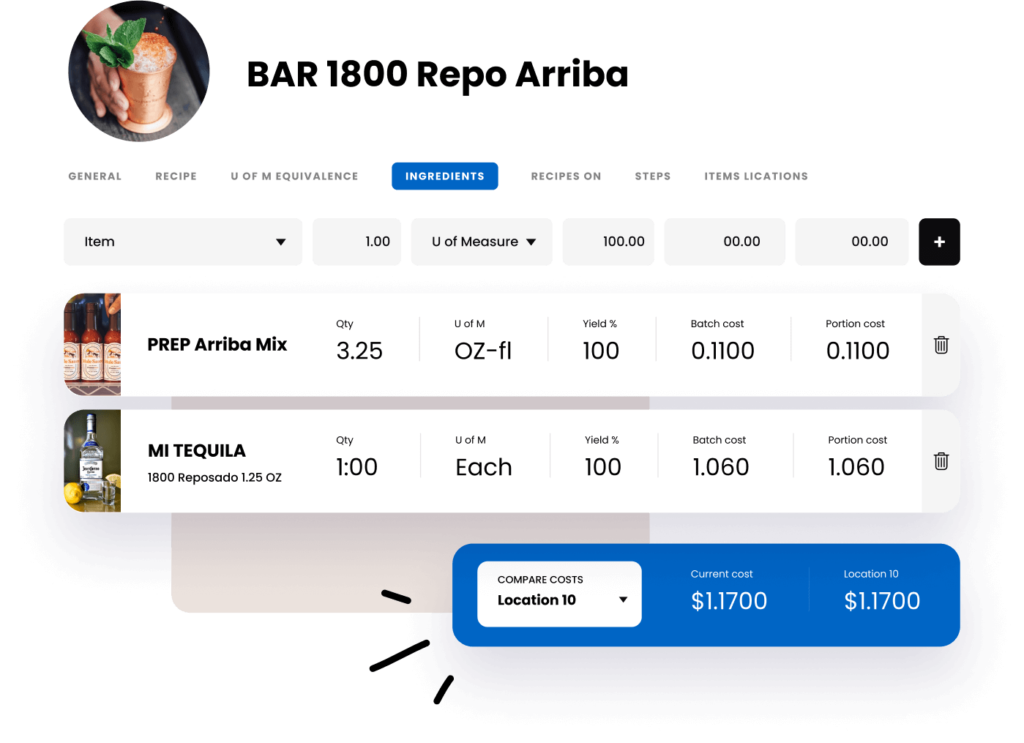
Bar waste and theft are two of the sneakiest culprits eating into your profits. A little spillage here, a heavy pour there, or the occasional “free round” can add up to thousands of dollars in losses over time. The worst part? Most of it goes unnoticed—until it’s too late. By taking control of your inventory and creating a culture of accountability, you can reduce waste, curb theft, and keep your hard-earned profits where they belong.

If your bar serves food, you know how tricky it can be to manage those costs. Ingredients are wasted, portions become inconsistent, and vendor prices fluctuate without warning. Without careful oversight, those small issues quickly eat away at your profits. That’s why mastering food costing and cost control is essential—it helps you understand where every penny is going so you can turn your bar menu into a reliable source of profit.
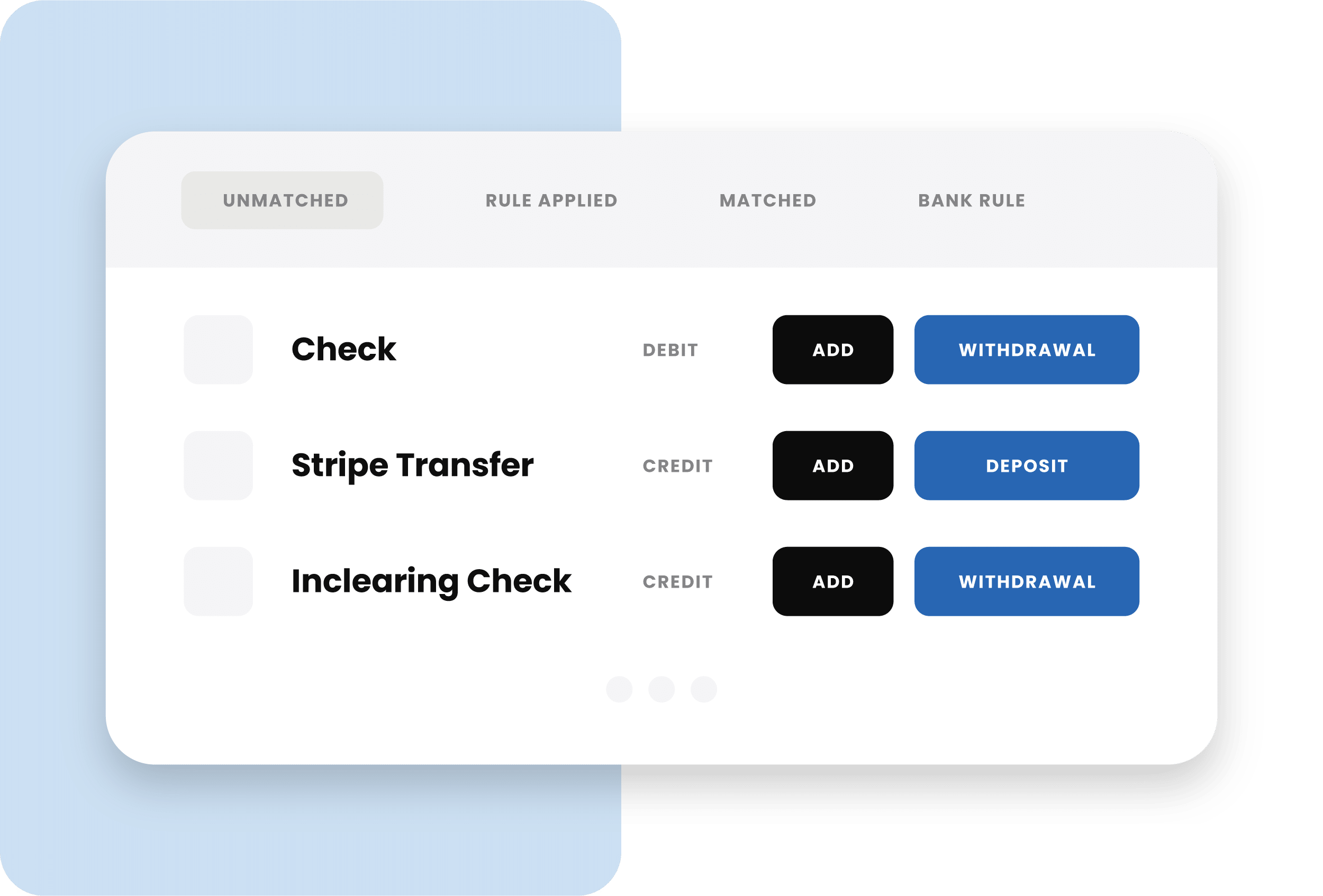
Ordering and receiving inventory can quickly turn chaotic without a solid system. Misplaced orders, overlooked deliveries, or mountains of overstock can throw your operation out of balance. Streamlining this process isn’t just about keeping the stockroom organized—it’s about saving money, reducing stress, and ensuring your team has exactly what they need to serve up drinks and snacks without missing a beat.
Cash flow can make or break a bar. Even if business is booming, poor inventory management can tie up cash in unnecessary stock, leaving you strapped for funds when you need them most. By keeping inventory tight, tracking spending, and timing orders strategically, you can free up cash flow and ensure your bar’s financial health stays on solid ground.
Bar inventory management is the process of tracking, controlling, and optimizing all beverage and food stock in a bar operation. It covers how you count inventory, monitor usage against sales, manage ordering and receiving, track pour costs, and identify variance from waste, over-pouring, or theft. Effective bar inventory management connects all of those functions in a single workflow so operators can protect margins and make faster, more informed decisions.
Most bars benefit from weekly counts, which allows managers to catch trends in over-pouring, theft, or waste before they compound. High-value items like top-shelf spirits should be counted daily. Smaller bars with lower volume may manage with bi-weekly counts, but monthly counting makes it significantly harder to pinpoint shrinkage issues or spot discrepancies early enough to act on them.
Pour cost is the ratio of the cost of a drink to the revenue it generates, expressed as a percentage. The formula is: Pour Cost % = (Cost of Ingredients / Selling Price) x 100. For example, if a cocktail costs $2.50 to make and sells for $12, the pour cost is 20.8%. Most bars target a pour cost between 18% and 24% depending on the concept. Monitoring pour cost by drink and by bartender is one of the most direct ways to identify over-pouring or pricing issues.
The most effective approach combines standardized pouring practices, consistent inventory counts, and variance analysis that compares actual usage to sales data. Equipping bartenders with jiggers or measured pour spouts ensures consistency. Tracking usage against POS data in real time surfaces discrepancies quickly. Paying special attention to high-value, high-shrink items like premium spirits is also essential since those losses carry the highest retail-value impact.
The most important features are real-time inventory tracking, POS integration, automated variance reporting, recipe and pour cost mapping, and a mobile counting app that allows multiple team members to count simultaneously. The goal is a system that connects purchasing, receiving, usage, and accounting in one workflow so you are not manually assembling data from disconnected tools to understand what your bar actually cost to run. Read what to look for in a bar inventory app for a deeper breakdown.
Beverage variance is the difference between what your bar theoretically should have used based on sales data and what it actually used based on inventory counts. Variance above 2 to 3% typically signals a problem worth investigating, whether that is over-pouring, unrecorded spillage, or theft. Tracking variance requires a system that connects your POS sales data to your inventory counts automatically rather than requiring manual comparison.
Excess inventory ties up cash that could be used elsewhere in the business. Over-ordering means money sitting on shelves rather than working for you, while under-ordering creates stockouts during high-volume nights that cost you revenue. Smart bar inventory management aligns purchasing with actual sales trends, sets par levels that match real demand, and automates reordering so cash is not unnecessarily tied up in stock.
Restaurant365 connects bar inventory, purchasing, receiving, recipe costing, and accounting in one platform. Operators get real-time visibility into bottle-level usage, pour costs, and variance trends without manually assembling data from multiple systems. When a delivery arrives, invoices are automatically reconciled against purchase orders. When a count is completed, the variance report is immediate. And because inventory connects directly to accounting, the financial impact of every bar cost is always current in the P&L.
Blog Menu
Share this blog:
See why more than 40,000 restaurants use Restaurant365
Restaurant365 brings together accounting, operations, scheduling, and more in a flexible platform—empowering restaurants to choose the solutions they need and scale with confidence.